Understanding Metal Roofing Options Available on MROOF.ca
The choice of roofing material is crucial for homeowners looking to enhance the durability and aesthetic appeal of their homes. Metal roofing has emerged as a preferred choice for many, particularly in regions like Ontario, where weather conditions can be unpredictable. MROOF.ca specializes in providing top-notch metal roofing solutions that cater to both residential and light commercial needs. When exploring options, mroof.ca provides comprehensive insights into various materials, styles, and benefits associated with metal roofing.
Types of Metal Roofing Materials
Metal roofing encompasses a variety of materials, each with distinct features that appeal to different customer needs. The primary types include:
- Steel: One of the most common materials used in metal roofing, known for its durability and resistance to corrosion, particularly when coated with zinc or polymer.
- Aluminum: Lightweight and resistant to rust, aluminum roofing is ideal for coastal areas where salt and moisture can lead to rapid corrosion.
- Copper: Celebrated for its aesthetic appeal and longevity, copper roofing develops a protective patina over time that can add character to architectural designs.
- Galvanized Metal: Steel that has been coated with zinc to prevent rust, galvanized metal roofing is a cost-effective solution with decent durability.
Benefits of Choosing Metal Roofing
Opting for a metal roof comes with numerous advantages, making it a worthwhile investment for homeowners:
- Longevity: Metal roofs can last 40 to 70 years, significantly outpacing traditional roofing materials like asphalt shingles.
- Energy Efficiency: Metal roofs reflect solar heat, reducing cooling costs during hot summer months.
- Low Maintenance: Unlike other roofing materials, metal roofs require minimal maintenance, helping homeowners save time and money in the long run.
- Fire Resistance: Metal roofing is non-combustible, offering enhanced protection against fire hazards.
Color Variations and Customization Options
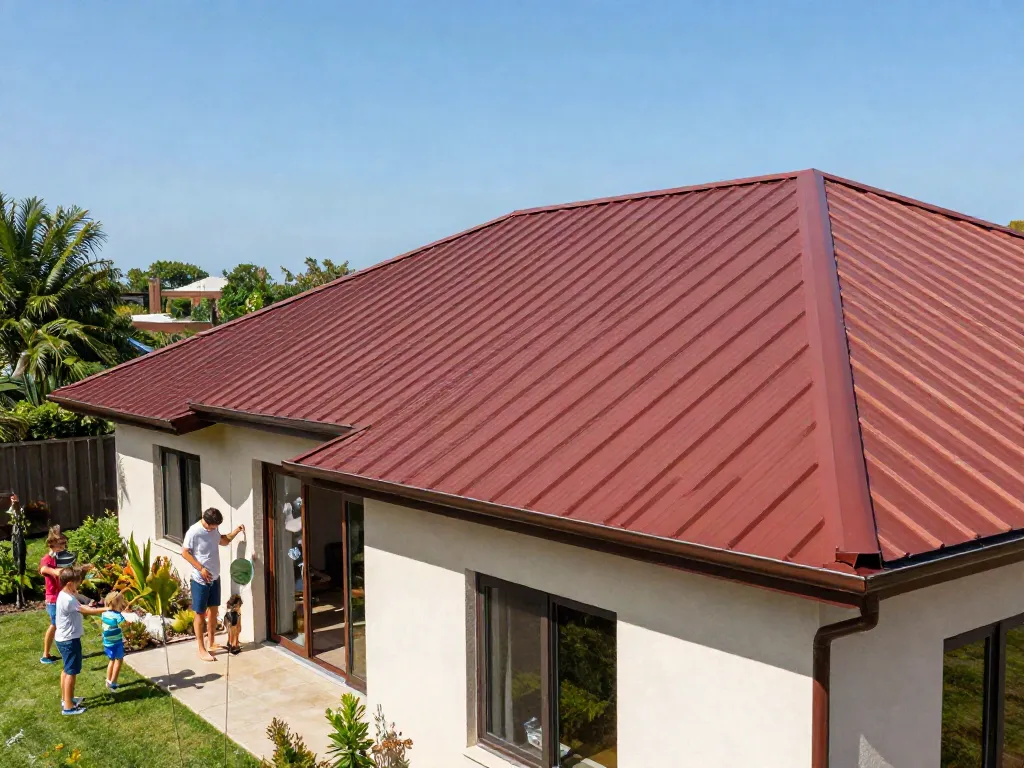
A significant advantage of metal roofing is the vast array of color options available. Homeowners can choose from various colors, finishes, and textures to match their home's style and surroundings. Popular choices include:
- Classic Colors: Shades like black, gray, and white offer a timeless look that complements many architectural styles.
- Bold Hues: For those looking to make a statement, bright colors like red, blue, and even green can add a unique flair.
- Textured Finishes: Options such as matte or gloss finishes allow for further customization and can enhance the roof's aesthetic appeal.
Installation Process for MROOF Metal Roofing
Understanding the installation process for a metal roof helps homeowners appreciate the craftsmanship involved. MROOF’s installation is performed by skilled professionals who follow a detailed approach to ensure quality.
Preparation and Planning Considerations
Before the installation begins, several preparatory steps are essential:
- Assessment: A thorough inspection of the existing roof is conducted to identify any underlying issues that need addressing.
- Measurements: Accurate measurements ensure that the correct amount of material is purchased, minimizing waste.
- Material Selection: Homeowners select the type of metal and color they desire, influencing both aesthetics and performance.
- Weather Conditions: Scheduling installations during favorable weather conditions is crucial to prevent complications.
Step-by-Step Installation Guide
The installation process typically follows these steps:
- Removing Old Roofing: The existing roofing material is safely removed, making way for the new metal roof.
- Deck Preparation: The roof deck is inspected and repaired as necessary, ensuring a solid foundation for the metal panels.
- Underlayment Installation: A waterproof underlayment is installed to create an additional layer of protection against moisture.
- Metal Panel Installation: The metal panels are carefully installed, secured with screws, and interlocked to provide a watertight seal.
- Final Touches: Flashing, trim, and other finishing materials are added to ensure a polished look.
Common Challenges and Solutions
While installing metal roofing is generally straightforward, some challenges may arise:
- Thermal Expansion: Metal can expand and contract with temperature variations. Proper installation techniques, such as leaving space for expansion, can mitigate this issue.
- Condensation: Moisture buildup can be a concern. Adequate ventilation systems can help reduce this risk.
- Cost Variations: Unforeseen issues can lead to unexpected costs. Homeowners should budget for contingencies during the planning phase.
Maintaining Your MROOF Metal Roof for Longevity
To ensure the longevity of a metal roof, regular maintenance is crucial. Unlike traditional roofing options, metal roofs require less upkeep, but some attention is still necessary.
Regular Maintenance Tips and Best Practices
Homeowners can follow these best practices to maintain their metal roof:
- Regular Inspections: Conduct periodic inspections, especially after severe weather, to check for damage or loose panels.
- Cleaning: Remove debris such as leaves and branches that can trap moisture and promote rust.
- Paint Touch-Ups: If the roof is painted, touch up areas to prevent corrosion and maintain appearance.
Identifying and Addressing Potential Issues
Common issues might include rust, leaks, and corrosion. Homeowners should be vigilant to identify these early:
- Rust: Regular cleaning can help prevent rust. If rust is detected, it should be addressed immediately to prevent spread.
- Leaks: Any signs of water leakage should prompt a professional evaluation to identify and fix the source.
When to Call a Professional for Help
While many maintenance tasks can be performed by homeowners, there are signs that indicate when it's time to call in professionals:
- Severe Damage: If there’s significant damage from storms or wear, it’s best to consult a contractor.
- Complicated Repairs: For issues involving structural integrity or complex repairs, professional expertise is recommended.
Cost Factors and Budgeting for Metal Roofing
Understanding the costs associated with metal roofing can help homeowners budget effectively for their projects.
Understanding Pricing Structures
The cost of a metal roof can vary based on multiple factors including:
- Material Type: Different metals have varying price points. Steel is generally more economical compared to copper.
- Labor Costs: The complexity of the installation can affect labor costs significantly.
- Roof Size and Pitch: Larger roofs and steeper pitches require more materials and labor, impacting overall cost.
Financing Options Available Through MROOF.ca
Financing can make the transition to a metal roof more manageable. MROOF offers various financing options that may include:
- Low-interest loans
- Payment plans that fit within budget
- Special promotions for qualifying customers
Long-Term Savings: Value of Metal Roofing
While the initial investment might be higher compared to traditional roofing, metal roofing can lead to significant long-term savings through:
- Energy Efficiency: Reduced energy bills from improved insulation and heat reflection.
- Longevity: Less frequent need for replacement, which translates to lower overall costs.
- Insurance Benefits: Some insurers offer discounts for metal roofs due to their durability and fire resistance.
Future Trends in Metal Roofing for 2026 and Beyond
As technology and consumer preferences evolve, the metal roofing industry continues to innovate.
Innovative Technologies and Materials
Advancements in technology have led to the development of smarter materials, such as:
- Reflective Coatings: New coatings that enhance energy efficiency.
- Composite Metals: Materials that combine the benefits of various metals for improved performance.
Sustainability and Eco-Friendly Practices
The demand for sustainable building practices is rising, and metal roofing fits this trend well:
- Recyclability: Most metal roofing materials are 100% recyclable at the end of their lifespan.
- Low Carbon Footprint: Metal roofs are often manufactured with a lower environmental impact compared to traditional materials.
Market Predictions and Consumer Preferences
Consumer preferences reflect a growing inclination towards durability and aesthetics:
- Customization: As more homeowners seek unique styles, the demand for customizable metal roofing options is expected to rise.
- Smart Technology Integration: Features like solar panel compatibility will likely become standard in new roofing options.
What is the average lifespan of a metal roof?
The average lifespan of a metal roof can range from 40 to 70 years, depending on the materials used and maintenance practices.
How can I choose the right metal roofing color?
Choosing the right color involves considering the architectural style of your home, surrounding environment, and personal preferences. It’s beneficial to look at samples in different lighting conditions.
What maintenance does a metal roof require?
Maintenance for a metal roof generally includes regular inspections, cleaning debris, and addressing any signs of rust or damage promptly.
Are there financing options for metal roofing projects?
Yes, many metal roofing providers, including MROOF, offer flexible financing options to help homeowners afford their roofing projects.
How does metal roofing compare to traditional roofing?
Metal roofing typically offers a longer lifespan, better energy efficiency, and lower maintenance compared to traditional roofing materials such as asphalt shingles.