Is There a Better Alternative to Metal Fabrication North Vancouver? Essential Insights for 2026
Understanding Metal Fabrication in North Vancouver
Metal fabrication is a critical process in various industries, providing the backbone for countless structures and components that shape our environment. In North Vancouver, the demand for customized metalwork has surged, driven by the region’s unique architectural style and the growing need for durable, aesthetically pleasing structures. As homeowners, builders, and businesses turn to fabricators for bespoke designs, understanding the nuances of metal fabrication north vancouver becomes essential for making informed decisions. This article delves into the essence of metal fabrication, its importance, and why local expertise is invaluable in this field.
What is Metal Fabrication?
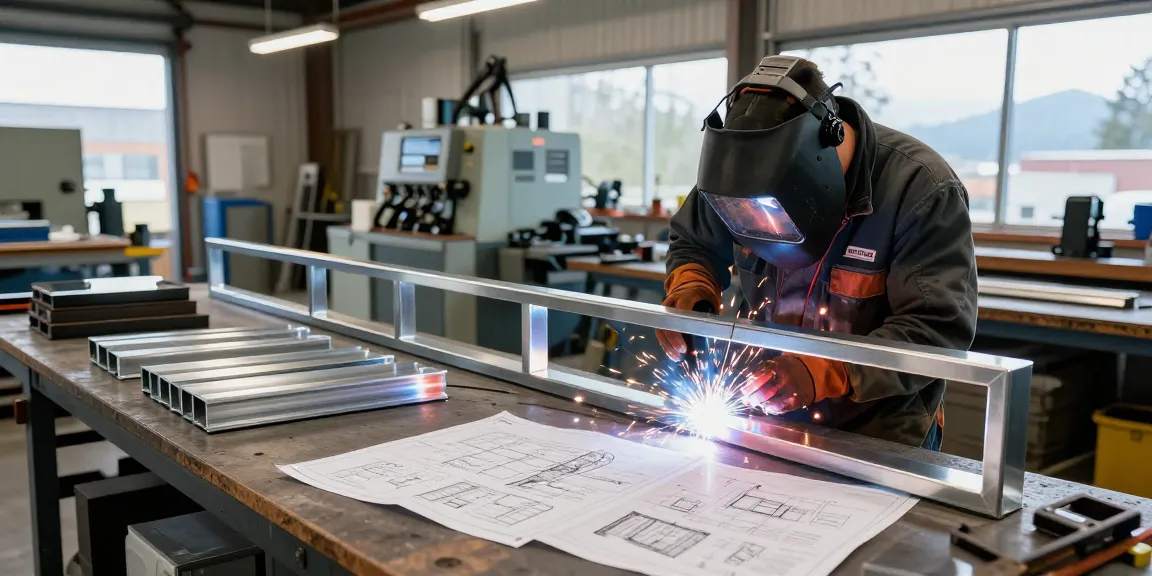
Metal fabrication refers to the process of designing, cutting, bending, and assembling metal structures or components through various manufacturing techniques. It encompasses a wide range of practices, from welding and machining to casting and forging. In practice, metal fabrication involves transforming raw metal materials into functional products tailored to specific needs.
The Importance of Custom Metalwork
Custom metalwork is more than just aesthetics; it plays a vital role in functionality and project integrity. Tailored solutions ensure that structures meet precise specifications, addressing factors such as load-bearing requirements, environmental conditions, and design ambitions. This customization allows architects and builders in North Vancouver to embrace innovative designs while maintaining essential structural integrity.
Key Industries Utilizing Metal Fabrication
Numerous industries rely on metal fabrication to achieve their goals. Some key sectors include:
- Construction: Structural elements such as beams and frames are critical to building stability.
- Architecture: Custom railings, staircases, and decorative features enhance visual appeal.
- Manufacturing: Metal components are essential for machinery and industrial applications.
- Aerospace and Automotive: Precision parts manufactured to stringent specifications ensure performance and safety.
- Art and Design: Artists and designers utilize fabrication techniques to create unique installations and sculptures.
Benefits of Choosing Local Metal Fabrication
Selecting a local metal fabricator offers numerous advantages. North Vancouver’s fabricators are well-versed in regional building codes, climate considerations, and design trends, making them ideal partners for diverse projects. This localized expertise ensures high-quality outcomes tailored to specific needs.
Convenience and Accessibility in North Vancouver
Proximity is a significant benefit of choosing a local fabricator. It simplifies communication and project management, leading to shorter turnaround times and fewer logistical challenges. Being able to meet face-to-face also fosters stronger relationships, allowing clients to articulate their visions effectively.
Supporting Local Businesses
By opting for local services, clients contribute to the economic vitality of their communities. Supporting local metal fabrication businesses not only strengthens the local economy but also helps maintain the distinct character of North Vancouver’s architecture.
Quality and Customization Options Available
Local fabricators provide a range of customization options that align with specific client needs. With hands-on experience and an understanding of local preferences, they can offer innovative solutions that incorporate the latest techniques and materials, ensuring that projects stand out in design and durability.
Common Challenges in Metal Fabrication
While metal fabrication is a valuable service, it comes with its own set of challenges that stakeholders should consider. Understanding these potential hurdles can lead to smoother project execution and better results.
Misconceptions About Metal Fabrication
One common misconception is that metal fabrication is limited to industrial applications. On the contrary, custom metalwork serves residential and artistic purposes as well. Moreover, many individuals perceive metal fabrication as overly expensive without recognizing the long-term value of high-quality, durable products.
Delays in Project Timelines
Delays can occur for various reasons, such as supply chain issues, design changes, or unforeseen complications during the fabrication process. Effective communication between clients and fabricators can mitigate these risks and ensure projects remain on schedule.
Cost Considerations and Budget Management
Budgeting for custom metalwork can be challenging, especially with fluctuating material prices. Clients should work closely with their fabricator to establish a clear understanding of costs and to explore options that align with their financial goals without sacrificing quality.
Best Practices for Custom Metalwork Projects
Successful custom metalwork projects hinge on several best practices. By following these guidelines, clients can enhance their project’s chances of success.
Collaborating with Experts in the Field
Engaging with experienced metal fabricators ensures that projects benefit from technical expertise and innovation. Collaborating with professionals who understand the nuances of design, materials, and installation can lead to superior outcomes.
Design Considerations for Durability and Aesthetics
When developing a design, clients should consider factors such as material selection, environmental impact, and maintenance requirements. A well-thought-out design balances functionality and aesthetic appeal, resulting in a final product that not only looks great but also lasts.
Post-Fabrication Support and Maintenance Tips
After the fabrication process, ongoing support and maintenance are essential for preserving the integrity of metal structures. Clients should work with their fabricators to establish maintenance schedules and procedures to ensure longevity and performance.
The Future of Metal Fabrication in Vancouver
The metal fabrication industry is continuously evolving with advancements in technology and changing market demands. Keeping abreast of these trends is crucial for businesses and consumers alike.
Emerging Technologies Shaping the Industry
Technological advancements such as CNC machining, laser cutting, and 3D printing are revolutionizing metal fabrication. These innovations enhance precision, reduce waste, and increase the feasibility of complex designs, making them accessible to a broader range of clients.
Environmental Considerations and Sustainability
As the world shifts toward sustainability, the metal fabrication industry is also embracing eco-friendly practices. Using recycled materials, reducing energy consumption, and minimizing waste are becoming standard practices among progressive fabricators.
Trends to Watch for in 2026 and Beyond
Looking ahead, several trends are poised to impact the industry. These include:
- A growing emphasis on sustainability and environmentally friendly practices.
- The rise of smart manufacturing technologies that integrate IoT for better efficiency.
- Increased demand for customized solutions in both residential and commercial applications.
What is the typical turnaround time for a custom metalwork project?
Turnaround time can vary depending on the complexity of the project and current workload. On average, clients can expect a timeframe of 2 to 8 weeks from design approval to project completion. Engaging early with a fabricator can help clarify timelines and accommodate specific needs.
Are your metalwork solutions suitable for outdoor use?
Yes, many custom metalwork solutions are designed specifically for outdoor environments. Using corrosion-resistant materials such as stainless steel or applying protective coatings enhances durability against weather elements, making them ideal for outdoor applications.
Can I provide a custom design for my project?
Absolutely! Custom designs are a hallmark of metal fabrication, and clients are encouraged to bring their ideas to life. Collaborating with a fabricator can help refine designs to ensure structural integrity and feasibility.
What types of metals do you work with?
Metal fabricators work with a variety of metals, including stainless steel, aluminum, iron, and other alloys. The choice of metal greatly depends on the project’s requirements, including strength, weight, and aesthetic considerations.
Do you provide installation services?
Many metal fabrication companies offer installation services, ensuring that the custom work is fitted correctly and safely. It’s advisable to confirm these services with the fabricator to streamline the final stages of the project.